March marks the beginning of spring in Copenhagen, though winter still lingers, bringing a mix of sunshine and chilly temperatures. The saying “there’s no such thing as bad weather, only bad clothing” couldn’t be more fitting. Our guide will help you make the most of both indoor and outdoor experiences during your stay.
Imagine relaxing in a cozy hot tub filled with 40℃ water, sipping a cold glass of bubbles, and gazing out over the water with the city as a backdrop. Sounds amazing, right? Then don’t miss a visit to Hottub Copenhagen! Recharge in the hot tubs, cool off in the cold tub, and warm back up in the sauna.
Before or after your hot tub experience, take time to explore Refshaleøen, an artificial island with a vibe unlike anywhere else in Copenhagen. Discover art galleries, bars, cafés, and the popular Reffen Street Food, all set in an industrial and raw environment.
Address: Refshalevej 325
Getting there: Hop off at stop 34 - Street Food/Reffen on Stromma’s Hop On-Hop Off buses
You can also walk from the city center along the waterfront, which takes about 35 minutes

Photo: Hottub Copenhagen
At the National Museum of Denmark, you can dive into Danish culture and everyday life from prehistoric times to the present.
Step into the Viking Age in the brand-new interactive exhibition about the Viking Sorceress. She was a highly influential figure, as the Vikings believed she possessed supernatural powers and that her spirit could freely travel through time, both to the past and the future, allowing her to guide them in important decisions. Legend has it that her powers were so great that even the mighty Odin turned to her for help.
In the exhibition Show Me the Money, you can explore a truly unique collection of some of the oldest coins in the world. See the extremely rare Danish coin featuring the name of the famous Viking king Svein Forkbeard (Svend Tveskæg), the first Danish coin engraved with the name of a ruling king.
Fun fact #1: Svend Tveskæg was the son of Harald Blåtand
Fun fact #2: Bluetooth wireless technology is named after Harald Bluetooth, who was known for uniting Denmark and Norway. The name was chosen because Bluetooth connects different devices. Even the Bluetooth logo is inspired by Harald’s initials, ᚼ (Hagall) and ᛒ (Bjarkan), two runes from the Younger Futhark alphabet.
Address: Ny Vestergade 10 / Prinsens Palæ
Getting there: Hop off at stop 11 - City Hall Square/National Museum of Denmark on Stromma’s Hop On-Hop Off buses
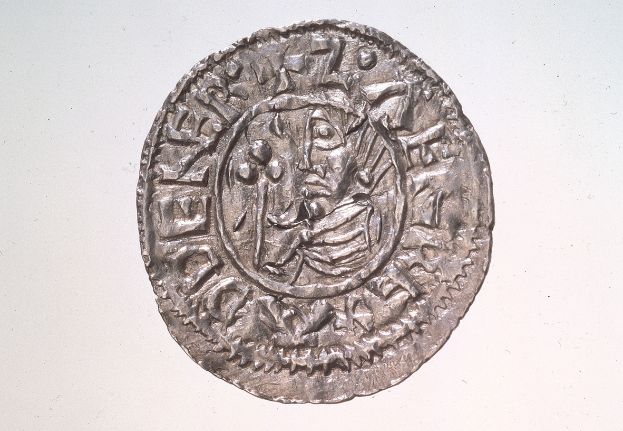
Photo: National Museum of Denmark
Once home to the Danish Royal Family and now the epicenter of the Danish Parliament, Christiansborg Palace is a must-visit in Copenhagen. Step into the beautiful Throne Room, where silk wallpaper and gold leaf create an atmosphere of grandeur. On the balcony, Denmark’s new rulers have been proclaimed for generations, most recently in January 2024, when King Frederik X became the new regent.
Explore 1,000 years of Danish history, following the Danish Royal line from the Viking Age to the present in the Great Hall. Admire the extraordinary tapestries, and in the orange marbling, keep an eye out for hidden faces. Can you spot them?
As you walk up the historic Royal Staircase, imagine how many powerful people have walked here before you over the centuries. Kings and queens, presidents and world leaders have all left their mark on history. Be sure to see the split flag given to King Christian X nearly 100 years ago.
Beneath the palace, discover the ruins of Absalon’s Castle and Copenhagen Palace, offering a glimpse into the city’s past. Highlights include Bishop Absalon’s ring wall, dating back to the 12th century, and the remains of the Blue Tower prison, where the favorite daughter of King Christian IV was imprisoned for 22 years.
The royal stables, built in the 1700s, have always been home to the royal family’s majestic white horses. You can admire the living horses as well as two stuffed ones, one of which was King Frederik VII’s favorite and likely why he wanted it preserved. The Carriage Museum is also here, featuring the golden wedding carriage used for the succession in January 2024.
Address: Prins Jørgens Gård 5
Getting there: Hop off at stop 1 - Ved Stranden/City Center on Stromma’s Hop On-Hop Off buses
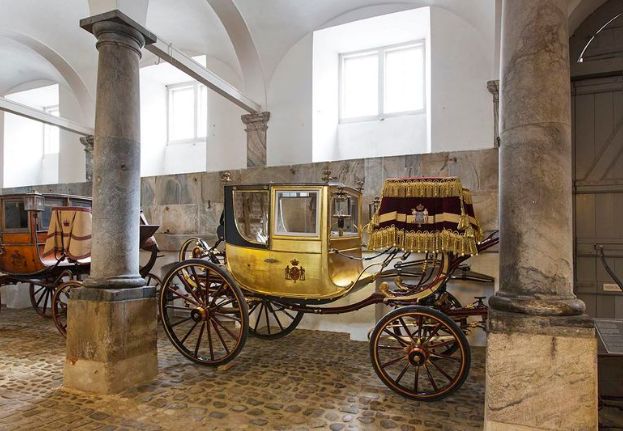
Photo: Christiansborg Palace
Hop on Stromma’s Classic Canal Tour and see many of Copenhagen’s most famous attractions along with impressive architectural landmarks.
The Little Mermaid is so deeply connected to Denmark that snapping a photo of her is a must. From the boat, you’ll get the perfect angle, not only of her but also the crowd gathered on land. As you cruise along the canals of Christianshavn, admire the beautiful old houses leaning against each other and feel the vibe of this special area.
Look out for the lesser-known Gunboat Sheds (kanonbådsskure), built in the early 1800s during the English Wars. These sheds once housed the gunboats that replaced the Danish navy lost in 1807 during the war against England. Since 1964, they have been listed as a national heritage site.
In March, the boats are covered and heated, making a canal tour a comfortable way to explore the city even on cooler days.
Address: Ved Stranden 26 and Nyhavn 3
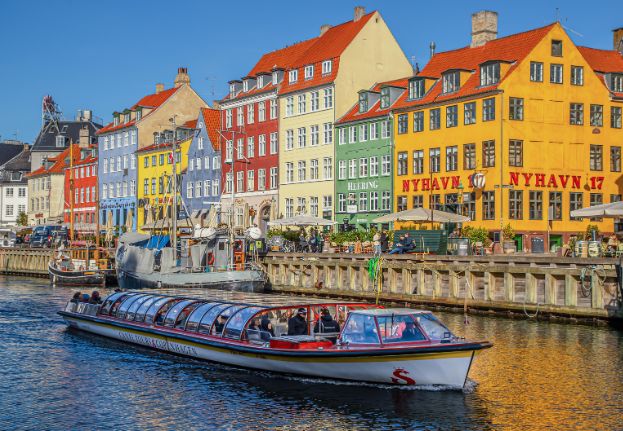
In March, nature slowly comes back to life. Green leaves return to trees and bushes, flowers begin to bloom, and birds chirp happily. Take a leisurely walk through the popular King’s Garden. Bring a drink and a snack, find a bench in the sun, and soak in the peaceful surroundings and crisp spring air.
This park, in the heart of Copenhagen, has been a beloved part of the city since King Christian IV laid it out in the early 17th century as his private garden. Living at Rosenborg Castle, he wanted a place for leisure, relaxation, and entertainment for his family.
Address: Entrances from Gothersgade, Kronprinsessgade, and Øster Voldgade
Getting there: Hop off at stop 9 - Rosenborg Castle/SMK on Stromma’s Hop On-Hop Off buses
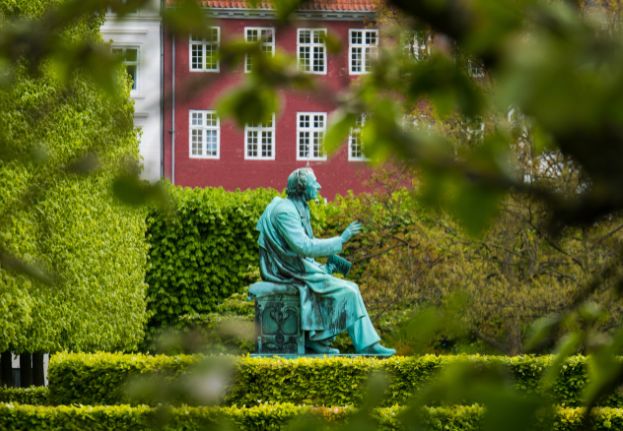
Photo: Daniel Rasmussen
Amber, often called the gold of the North, is something many Danes have searched for along the western Jutland coastline. Here, the harsh North Sea currents and storms wash it ashore, and nothing beats the thrill of finding a piece of amber, no matter the size.
At the Amber Museum, you’ll learn how amber was formed and why it washes up on Denmark’s coasts. Explore an impressive collection of plants and insects trapped in resin millions of years ago, along with rare artifacts and antiques.
If you fall in love with amber, you can even take a piece home! The museum shop offers a wide selection of amber jewelry, including rings, bracelets, necklaces, scarf buckles, and cufflinks.
Address: Kongens Nytorv 2
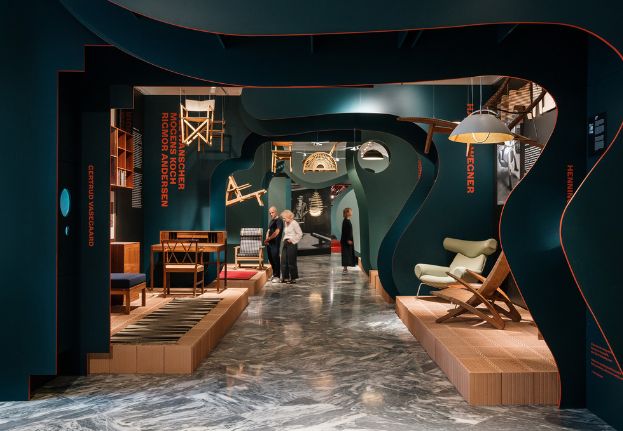
This fascinating museum is fittingly located in one of Copenhagen’s finest rococo buildings, providing the perfect setting to showcase Danish design through the years.
In the exhibition Danish Modern, journey through the story of Danish design from the 1920s to the year 2000. Dive into the creative process behind some of the most iconic designs and get to know the major designers of the 20th century, including Arne Jacobsen and Kay Bojesen.
The exhibition LITTLE TABLE, COVER THYSELF explores how table settings have evolved from the Renaissance, through mid-century modernism to the present day. Browse an impressive collection ranging from handmade centerpieces and fine porcelain to industrially manufactured products in more affordable materials. The exhibition displays everything from cutlery, cups, and bowls to candlesticks and figurines, and everything in between.
Address: Bredgade 68
March is a quieter month for tourism, which means fewer crowds at major attractions and more availability at museums and cafés. Daylight hours increase steadily, and although the weather can be changeable, it’s a great time to experience the city at a slower pace.
Yes, most people in Denmark speak English very well. We might look like we’re in a hurry or have headphones in, but most Danes are happy to help if you ask.
Yes, Copenhagen is a very safe city to visit and live in. However, we recommend keeping an eye on your belongings and not leaving bags unattended, as the city can be crowded.
March is the first month of spring, and the temperature typically ranges between 3-9℃, though it may get warmer as April approaches. The weather can change quickly, so dress in layers and bring comfortable shoes and waterproof outerwear.
Most places accept credit cards (note that American Express may not be as widely accepted as VISA), but it’s always a good idea to have a little cash just in case. Some attractions accept foreign currency, but usually only bills, and any change will be given in Danish kroner.
You can reach the city center in about 13 minutes by metro to Kongens Nytorv or by regional train to Copenhagen Central Station. Both run from inside the airport with frequent departures. If you're traveling late at night or early in the morning, be aware that metro and train departures are less frequent.
Lastly, there are always taxis available outside the airport, and credit card payment is accepted. The price will depend on various factors, including day of the week, time, and traffic conditions.
Yes, most attractions are open in March. However, Tivoli Gardens does not open until late March.
The Changing of the Guard takes place every day at noon in the courtyard of Amalienborg Palace. It is free of charge.
On the map below, we’ve gathered all our recommended activities for visiting Copenhagen in March.
© 2026 Stromma Denmark A/S | Toldbodgade 39, DK-1253 Copenhagen K | Stromma Denmark is part of Stromma Group